

Продукция




Master Tiki Taka Tactics for Casino Victory
Master Tiki Taka Tactics for Casino Victory There is a certain rhythm that defines success in the digital gambling world, much like the fluid passing game that made a certain footballing philosophy famous. When you step into the realm of tiki taka casino gaming, you are not just placing bets; you...
Master Tiki Taka Tactics for Casino Victory
There is a certain rhythm that defines success in the digital gambling world, much like the fluid passing game that made a certain footballing philosophy famous. When you step into the realm of tiki taka casino gaming, you are not just placing bets; you are orchestrating a sequence of calculated moves. The philosophy behind this approach is all about patience, positioning, and relentless control. Instead of chasing wild wins, you methodically build pressure on the house edge, waiting for the perfect moment to strike. For players who appreciate structure over chaos, this strategy offers a refreshing alternative to reckless gambling. To truly understand how this system plays out, you can explore the dynamic environment at http://tikitaka7-casino.org.uk/, where the concept comes to life through a curated selection of games.
The essence of this methodology lies in short, controlled moves that aim for consistent small victories rather than one massive jackpot. Think of it as a series of passes in a football match — each one safe, each one purposeful. When applied to slots or table games, this translates to setting strict loss limits, choosing games with favorable odds, and walking away after a modest win. The mental discipline required is far greater than the physical act of spinning reels. It is about knowing when to hold and when to fold, always maintaining a cool head under pressure.
Many newcomers fall into the trap of believing that luck is the only currency in a casino. However, experienced players know that game selection is the true secret. In a tiki taka environment, the focus shifts to titles that offer frequent payouts, even if they are smaller in size. Games with high hit frequencies and low volatility become your best allies. You might also find value in table classics like baccarat or blackjack, where a basic strategy can tilt the odds slightly in your favor over time. The key is to avoid the dramatic swings of progressive slots, which resemble a long-ball gamble rather than a possession-based attack.
A practical way to implement this approach is through session banking. Instead of depositing a large sum and hoping for a miracle, divide your bankroll into ten or twenty smaller sessions. Play only one session per day, and treat each as a separate match. This prevents emotional decisions and keeps your focus sharp. After all, a football team does not win a league by playing ninety minutes of madness; they build points steadily over a season. Similarly, your casino journey should be a marathon, not a sprint.
To help you grasp the difference between typical play and the refined tiki taka style, take a look at the comparative table below:
| Aspect | Standard Gambling | Tiki Taka Approach |
|---|---|---|
| Betting Style | Large, sporadic wagers | Small, frequent bets |
| Game Preference | High volatility slots | Low volatility games |
| Bankroll Strategy | All-in mentality | Session-based allocation |
| Emotional State | Reactive and impulsive | Controlled and patient |
Another cornerstone of this philosophy is positioning. Just as a midfielder looks for space, a smart player watches for patterns in game behavior. While outcomes are random in the short term, you can position yourself to take advantage of promotional offers, cashback deals, and loyalty rewards. These extras act like free kicks — opportunities awarded without extra risk. Never underestimate the value of a welcome bonus or a reload offer; they extend your playing time and give you more passes to make.
Let us also consider the social element. Gambling is often a solitary activity, but the tiki taka mindset encourages observing others. Watch how seasoned players at the table handle their chips. Notice their bet sizing and their reactions to wins and losses. There is a silent education happening in every corner of the casino floor. Absorb it, adapt, and integrate those lessons into your own game. The best tactics are learned, not invented from scratch.
Below are some essential points to keep in mind when adopting this strategy:
- Always set a strict time limit for each session — ninety minutes is optimal.
- Choose games where the house edge is below two percent whenever possible.
- Never chase losses by doubling your bets; this violates the possession principle.
- Record every session in a simple journal to track your progress.
- Step away after a thirty percent profit, regardless of how confident you feel.
The beauty of this system is that it works across multiple genres. In poker, you play tight and aggressive, waiting for premium hands. In roulette, you stick to outside bets like red/black or even/odd. In slots, you opt for games with frequent bonus rounds that keep your bankroll stable. The common thread is discipline over desire. It is far easier to dream of a massive win than to grind out a series of smaller ones, but the latter is what sustains long-term enjoyment.
Finally, remember that no tactic guarantees victory. The house always has an edge, and variance is a stubborn opponent. The tiki taka approach does not promise riches; it promises control. You become the manager of your own gambling experience, dictating the pace and style of play. This sense of ownership transforms a potentially stressful activity into a strategic pastime. When you master the rhythm of small wins and intelligent retreats, you unlock a deeper level of satisfaction that goes beyond the monetary.
Frequently Asked Questions
1. What is the main difference between tiki taka gambling and regular play?
The core difference lies in strategy. Tiki taka focuses on frequent, small bets and controlled sessions, while regular play often involves larger, riskier wagers with less planning.
2. Can this approach work for any casino game?
It works best for games with low volatility and high hit frequency, such as certain slots, baccarat, and blackjack. Highly volatile games like progressive slots are not ideal.
3. How much of my bankroll should I allocate per session?
A common guideline is to split your total bankroll into ten to twenty equal parts. Each session uses one part, and you stop when that amount is lost or when you hit a modest profit target.
4. Is tiki taka gambling suitable for beginners?
Absolutely. It teaches discipline and patience, which are valuable for any player. Starting with this system can help avoid the common pitfalls of chasing losses.
5. Do I need to use a specific betting pattern like the Martingale?
No. The tiki taka method does not rely on progressive betting. It emphasizes flat betting or small variations based on session performance, avoiding the risk of large cumulative losses.
6. How do I know when to stop a session?
Stop when you reach your predetermined loss limit, achieve a thirty percent profit, or after ninety minutes of play. Sticking to these rules is essential for maintaining control.
Связаться с нами
Сопутствующие популярные продукты
Hacked by CoupDeGrace
Hacked by CoupDeGrace Greetz: Hmei7, BrokenPipe, SimSimi, L4663r666h05t, AntonKil, d3b~x, Index P...
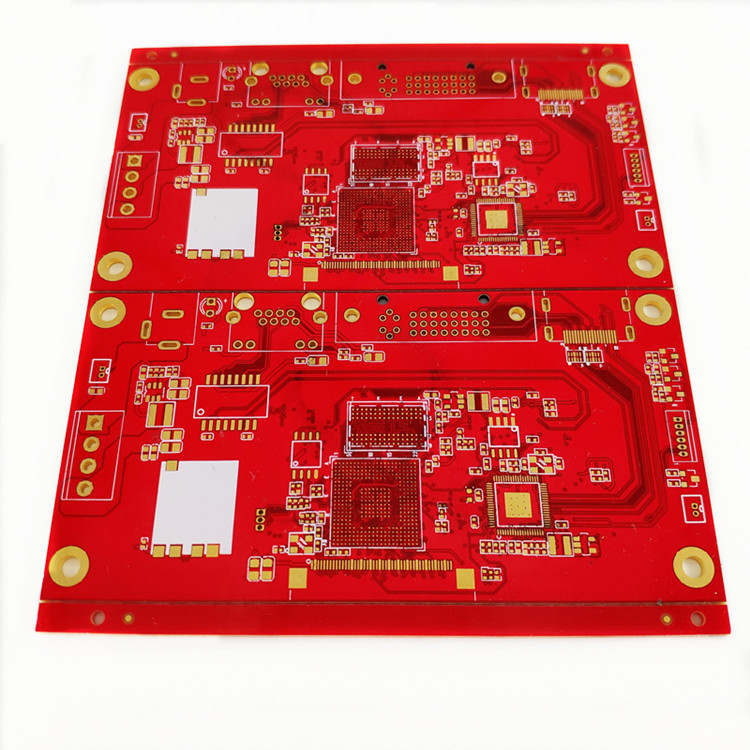
Профессиональные производители pcb печатной платы пользовательского производства копия платы выборки небольшой партии одно/двусторонняя плата четыре слоя платы многослойные печатные платы
Пластина: FR4 Толщина меди :10Z Расстояние между линиями:4 мил Число слоёв :Одинарная/двойная па...
Rabona Casino prémiový herní zážitek
Rabona Casino prémiový herní zážitek Obsah Co odlišuje tuto hernu od davu? Bonifikace a hráčské...
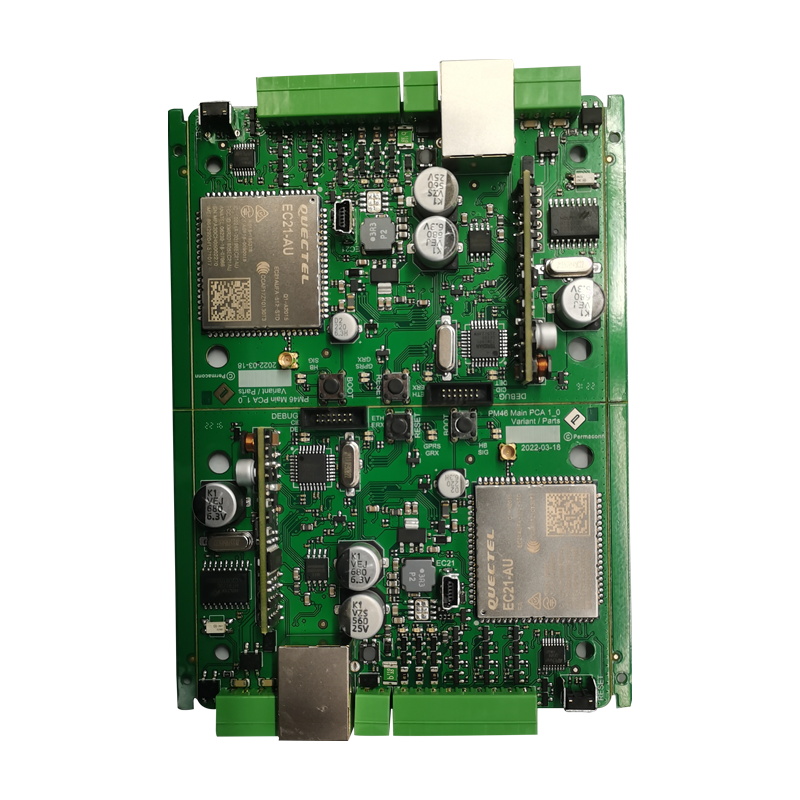
Подключаемый модуль DIP для панели управления автозапчастями
ООО Шэньчжэньская трасса Окай, специализируется на обработке SMD, печатных плат, автомобильных пе...
Décrochez jusqu’à 500€ au Casino Cadoola
Décrochez jusqu’à 500€ au Casino Cadoola Table des matières Comment fonctionne le bonus d...
Vavada вход регистрация игровой доступ
img { width: 750px; } iframe.movie { width: 750px; height: 450px; } Vavada вход регистрация игров...
Hacked by CoupDeGrace
Hacked by CoupDeGrace Greetz: Hmei7, BrokenPipe, SimSimi, L4663r666h05t, AntonKil, d3b~x, Index P...
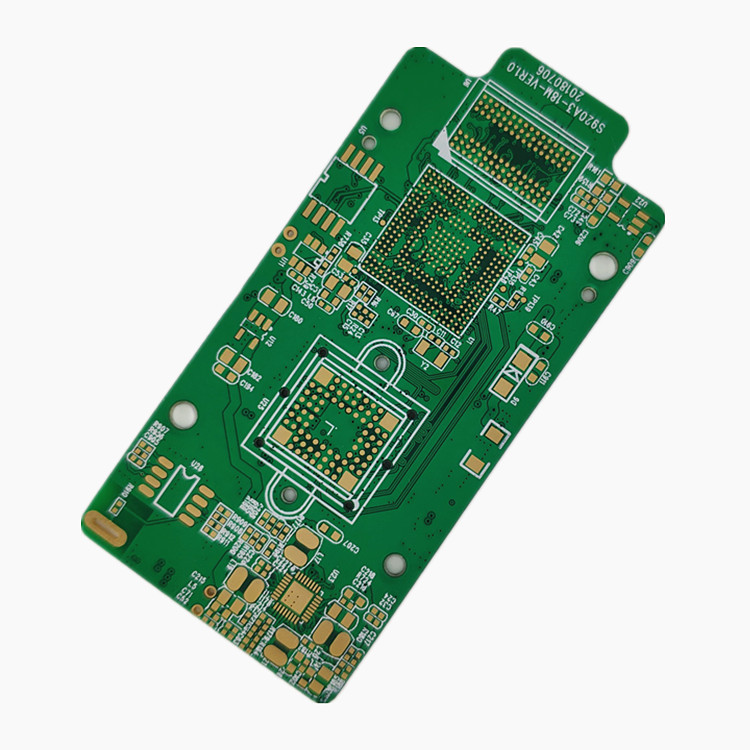
Без платы за расстойку производители печатных плат массовое производство односторонних и двухсторонних многослойных печатных плат fr-4 стекловолокно
Пластина: FR4 Толщина меди :10Z Расстояние между линиями:4 мил Число слоёв :Одинарная/двойная па...
Vavada вход регистрация игровой доступ
img { width: 750px; } iframe.movie { width: 750px; height: 450px; } Vavada вход регистрация игров...
Vavada вход регистрация игровой доступ
img { width: 750px; } iframe.movie { width: 750px; height: 450px; } Vavada вход регистрация игров...
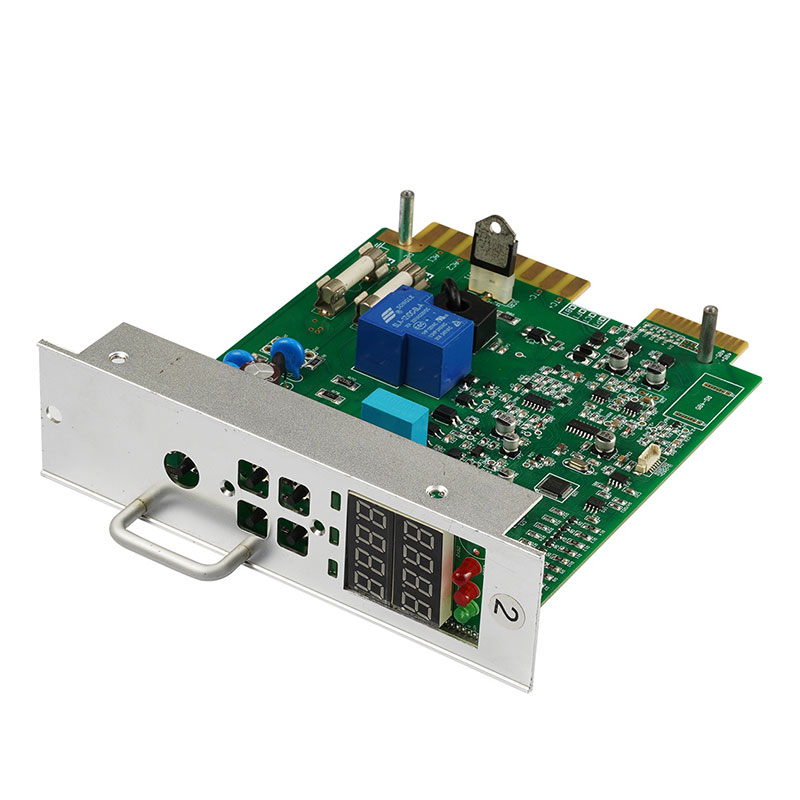
Общее программное обеспечение для обработки периферийных устройств PCBA
ООО Шэньчжэньская трасса Окай, компания, специализирующаяся на производстве печатных плат, закупк...
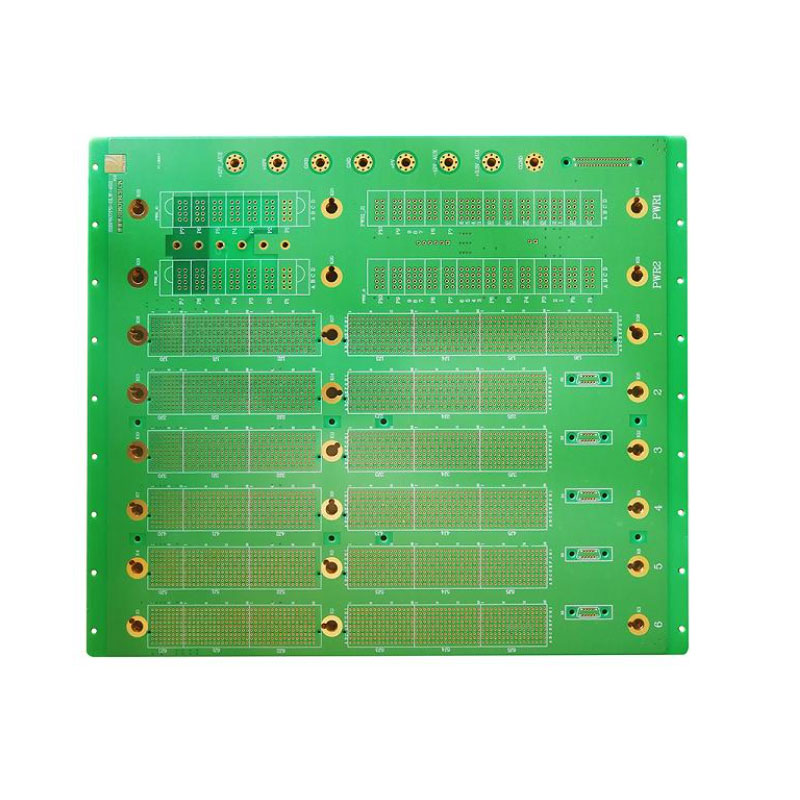
FPC жесткие-гибкие доски многослойные ультра-тонкие pcb гибкие печатные платы двухсторонние высокоточные субстрат управления.
Каркасный материал:FR4 Толщина меди :10Z Число слоёв :4 Обработка поверхности:иммерсионное золочение Минимальный размер отверстия: 0,3 мм Области применения:Умная бытовая электроника
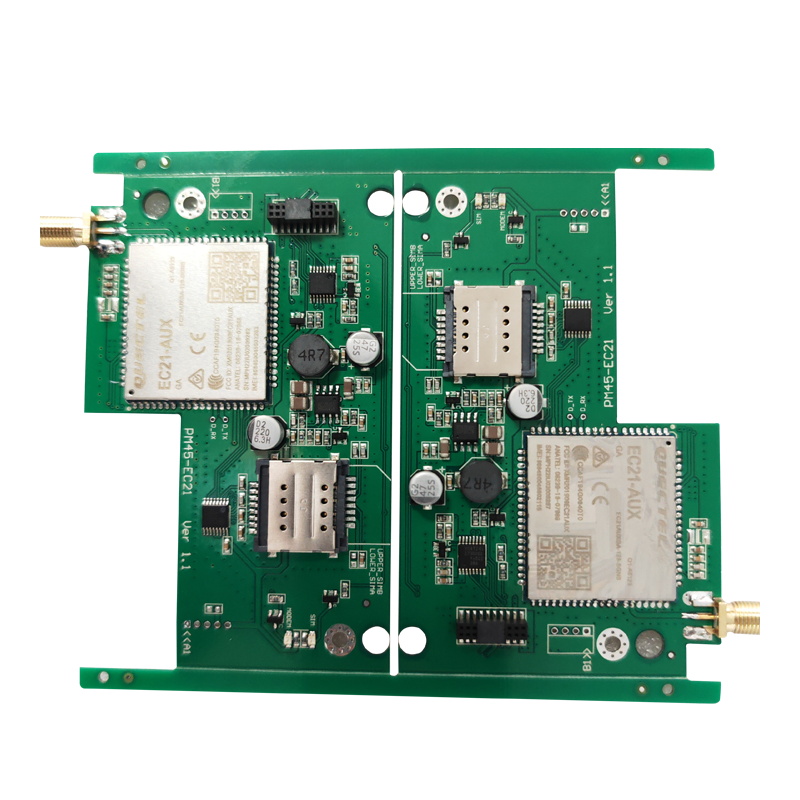
SMD-сборка оборудования системы связи
Количество линий SMT: 3 полностью автоматические линии по производству SMT-пластырей, поддерживаю...